
The Bubblewrap Paradox
Is a greater focus on safety actually putting older adults in danger?
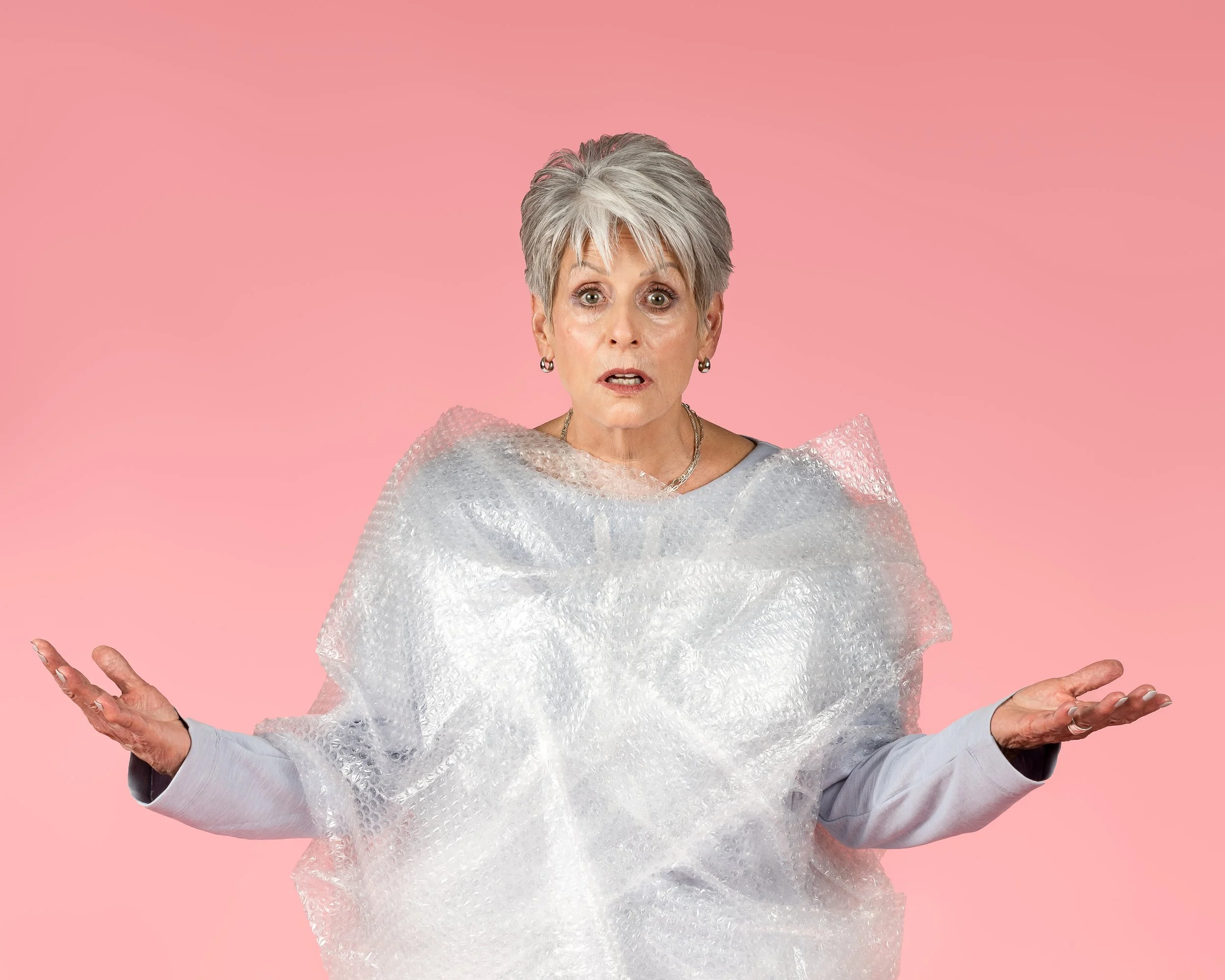
There comes a time in many people’s lives when they start to consider making changes to keep themselves safe and not overwhelmed as they grow older. Perhaps a health condition or an accident has brought the downside of complete independence sharply into focus. Or perhaps they’re persuaded by family members to either make structural changes to their own home, or consider moving into a senior living community.
Safety is a key component in this decision. Relinquishing the responsibility and risk of shoveling your own driveway in the winter, or managing your home maintenance more generally. It’s an attractive proposition to let someone else take care of that for a change. And this is undoubtedly a very good thing.
Optimizing your environment and removing hazards like wobbly handrails, loose stairs, clutter or poor lighting can make the difference between aging on your terms and losing your mobility in a fall. Yes rehab is a thing, and it works, but it’s much less painful to avoid needing it in the first place.
Similarly, with a move to senior living housing, there are many upsides. The buildings have usually been designed with easy access for people with mobility issues in mind, so you can expect wide hallways, high quality hand rails, good lighting and ramps rather than steps everywhere. The opportunity to trip over something while walking outside is also likely less than in your own neighborhood. Senior living housing takes safety seriously.
But there is also a risk that, in your newfound safety-first mindset, you stop challenging your balance. It’s possible you will actually become less capable of independence as your body gets used to the easy life. With no stairs to climb up and down, your leg muscles won’t get the push they need to stay strong. With handrails everywhere, your sensory systems will rely on hand touch rather than feeding you information from your feet. With good lighting everywhere, your eyes will continue to dominate the sensory information your brain is processing, depriving you of a richer, more resilient balance system as you age.
“With Balance, when you don’t use it, you lose it”
This is the Bubblewrap Paradox.
Safety is important, a fall can be catastrophic as we age. But too much safety can also accelerate the decline in your balance system, ironically reducing the independence you are wanting to protect.
Fortunately, there’s an easy solution, but you have to take action.
When selecting a senior living community, ask them what options they have to help you maintain, even build your balance. Balance and strength exercise classes that challenge you several times a week are the gold standard. So is having access to regular balance assessments.
Balance declines quietly, and also changes from one day to the next, depending on daily habits like sleep, exercise, how well you manage any medications you need to take. Do they have a program to help you learn about this?
Social interaction is now recognized as a key component of healthy living and longevity. Do your peers in the community participate in the kinds of activities you enjoy? Outside of exercise classes, what other activities (ideally ones that get you moving or at least standing) are well attended?
Ask yourself what you enjoy doing. Brainstorm a list. Pick something to do each day that uses balance in some way, even if it’s just ten minutes a day. These mini workouts for your balance don’t feel difficult in the moment, but over time can add up to meaningful change in the way you age: fostering independence for a fuller life.
No-one wants to live wrapped in bubbly plastic, bracing against danger. And with modern tools and good programing, you don’t have to. Balance is very responsive to stimulation, even well into the 90th decade of life. In Zibrio studies, measuring balance regularly is associated with a 74% reduction in falls, showing when older adults are equipped with knowledge of how their balance changes, they can and do make smart decisions to protect it.