
Best Hobbies to Improve Balance and Stay Independent as You Age
As we grow older, maintaining balance becomes one of the most important ways to stay active, confident, and independent. Balance is more than just standing upright—it depends on four key systems working together:
The vestibular system (inner ear, which senses movement and position)
Vision (what you see around you)
Proprioception (your body’s awareness of where it is in space)
Muscle strength and joint flexibility (your ability to stabilize and respond to movement)
Research shows that declines in any of these systems can increase fall risk—but the encouraging news is that all four can be improved through enjoyable, everyday activities. Below are some of the best hobbies for older adults that support balance, along with simple ways to get started.
1. Tai Chi: Gentle Movements with Powerful Results
Supports: Proprioception + Vestibular system + Strength
Tai Chi is often called “meditation in motion,” and it’s one of the most well-researched activities for fall prevention. Studies have shown it can reduce falls by up to 43% in older adults.
Its slow, flowing movements train your body to shift weight smoothly, improving body awareness (proprioception), while also gently stimulating the inner ear. Holding postures builds leg strength and stability.
How to start:
Look for beginner or “gentle Tai Chi” classes
Start with 10–15 minutes a few times per week
Use a chair nearby for support as you learn
2. Gardening: A Natural Way to Stay Steady
Supports: Proprioception + Strength + Flexibility
Gardening involves bending, reaching, twisting, and squatting—all of which challenge balance in a safe, natural way. These movements strengthen muscles, improve joint flexibility, and enhance your awareness of body position.
How to start:
Use raised beds or containers to reduce strain
Work in short sessions (15–20 minutes)
Use supportive tools like kneeling pads or stools
3. Walking (Especially on Varied Surfaces)
Supports: Vision + Proprioception + Strength
Walking helps maintain leg strength and coordination while engaging your vision to guide safe movement. Walking on different surfaces—like grass or gentle trails—further challenges your balance system.
How to start:
Begin on flat, even ground
Gradually introduce slight variations (parks, paths)
Walk with a friend or a group for safety and motivation
4. Dancing: Balance with Rhythm and Joy
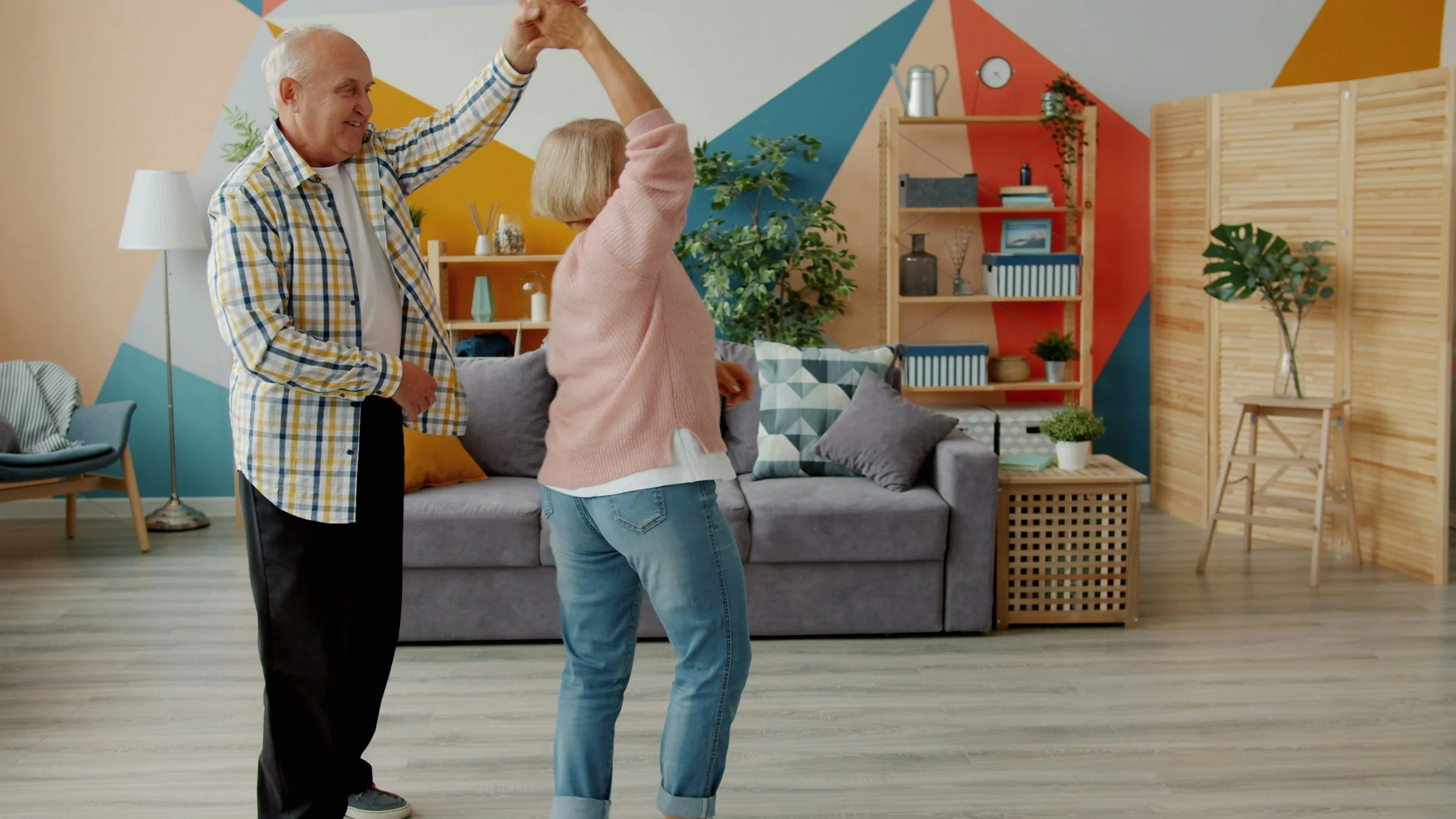
Supports: Vestibular system + Coordination + Strength
Dancing combines movement, rhythm, and directional changes, which challenge your vestibular system and improve coordination. It also strengthens muscles needed for quick adjustments to prevent falls.
How to start:
Try simple styles like line dancing or slow partner dancing
Join a beginner class or community group
Practice at home with familiar music
5. Yoga: Strength, Flexibility, and Stability
Supports: Proprioception + Strength + Flexibility + Vestibular system
Yoga is especially powerful because it targets all four balance systems. It improves muscle strength, increases joint flexibility, and trains your body to hold steady positions. The best type of yoga for balance includes a dynamic element and multiple poses while standing, rather than seated or lying on the mat.
How to start:
Choose “gentle yoga” classes, with an instructor experienced with teaching older adults
Go at your own pace, using support wherever you need it
Begin with short sessions and repeat more frequently
6. Ball Sports: Dynamic Balance in Action
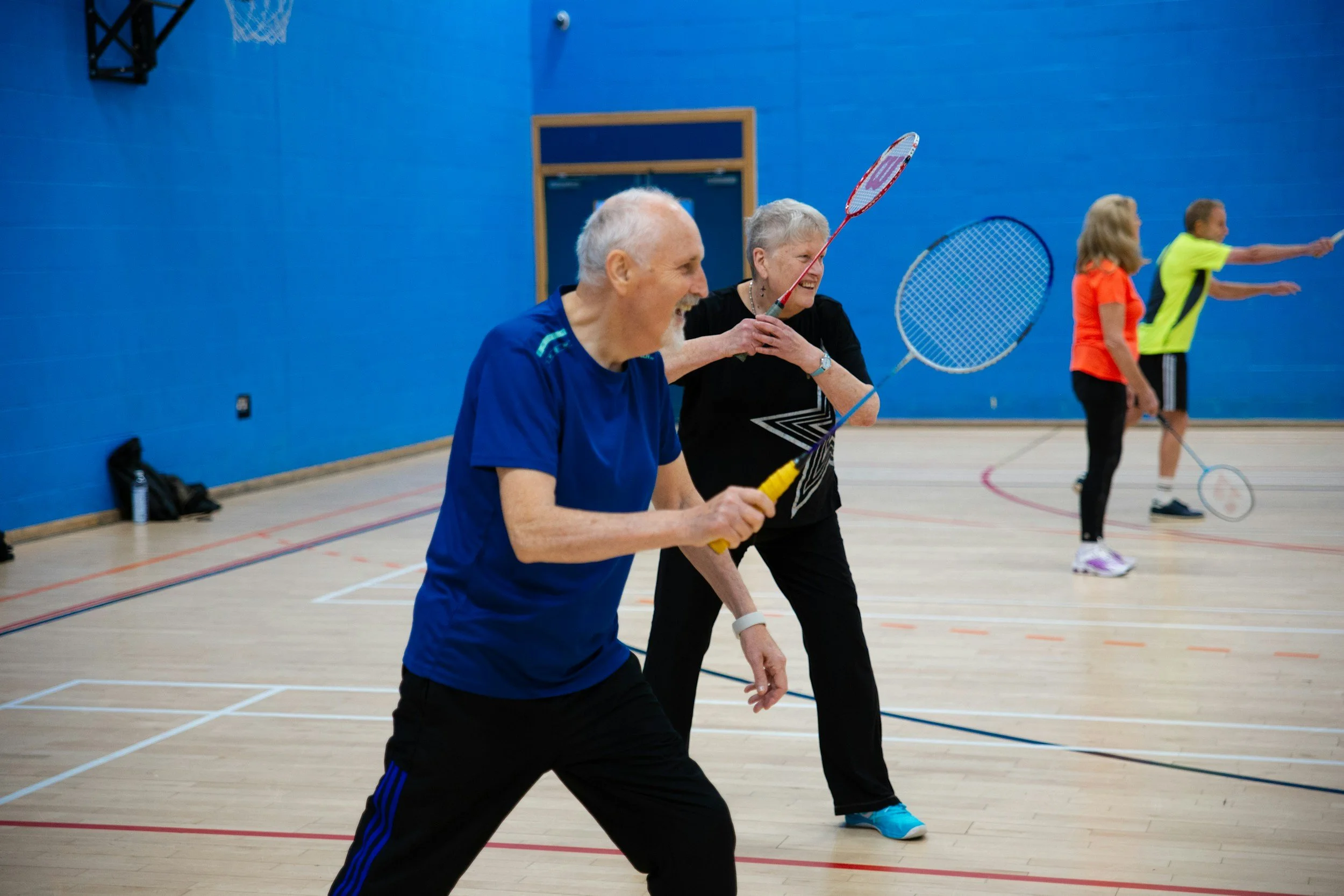
Supports: Vision + Vestibular system + Proprioception + Coordination + Reaction Time
Ball sports are uniquely effective because they train your balance in real-world, dynamic situations. Unlike slower or stationary activities, these sports require you to react quickly, track moving objects, change direction, and adjust your body position—all of which strengthen multiple balance systems at once.
For example:
Pickleball involves quick lateral movements, controlled steps, and hand-eye coordination
Badminton challenges reaction time, reaching, and rapid directional changes
Basketball (modified or casual play) builds coordination, timing, and whole-body control
These activities are especially valuable because they mimic the kinds of unexpected movements that often lead to falls—helping your body become more responsive and resilient.
They also add a cognitive component: tracking a ball, anticipating movement, and making split-second decisions strengthens brain-body coordination, which is increasingly recognized as a key factor in fall prevention.
How to start:
Choose low-impact or beginner-friendly versions (e.g., doubles pickleball, half-court basketball)
Focus on controlled movement rather than speed
Play in safe, well-lit environments with good footwear
Start with short sessions and build gradually
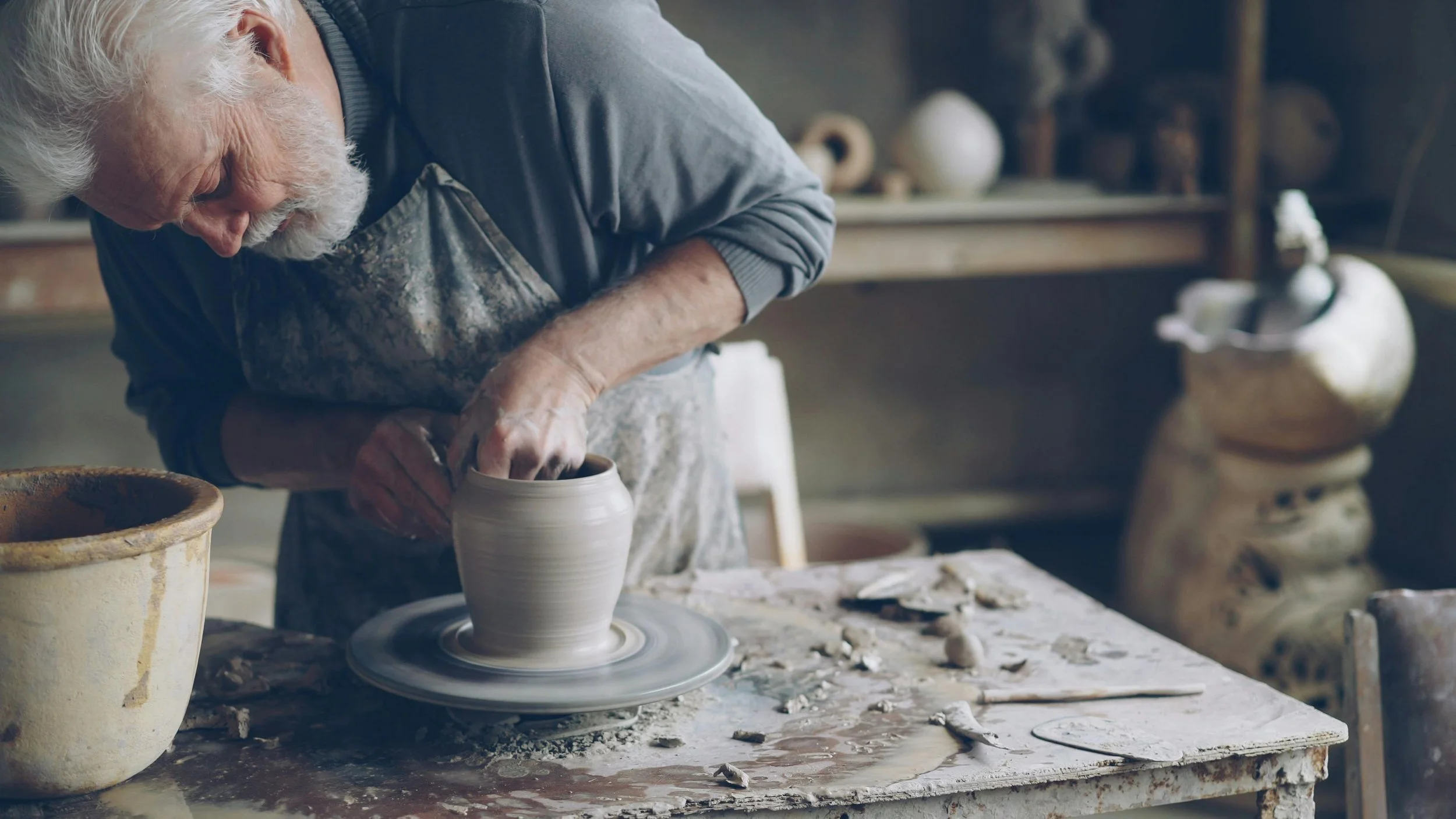
7. Art, Pottery, Crafting
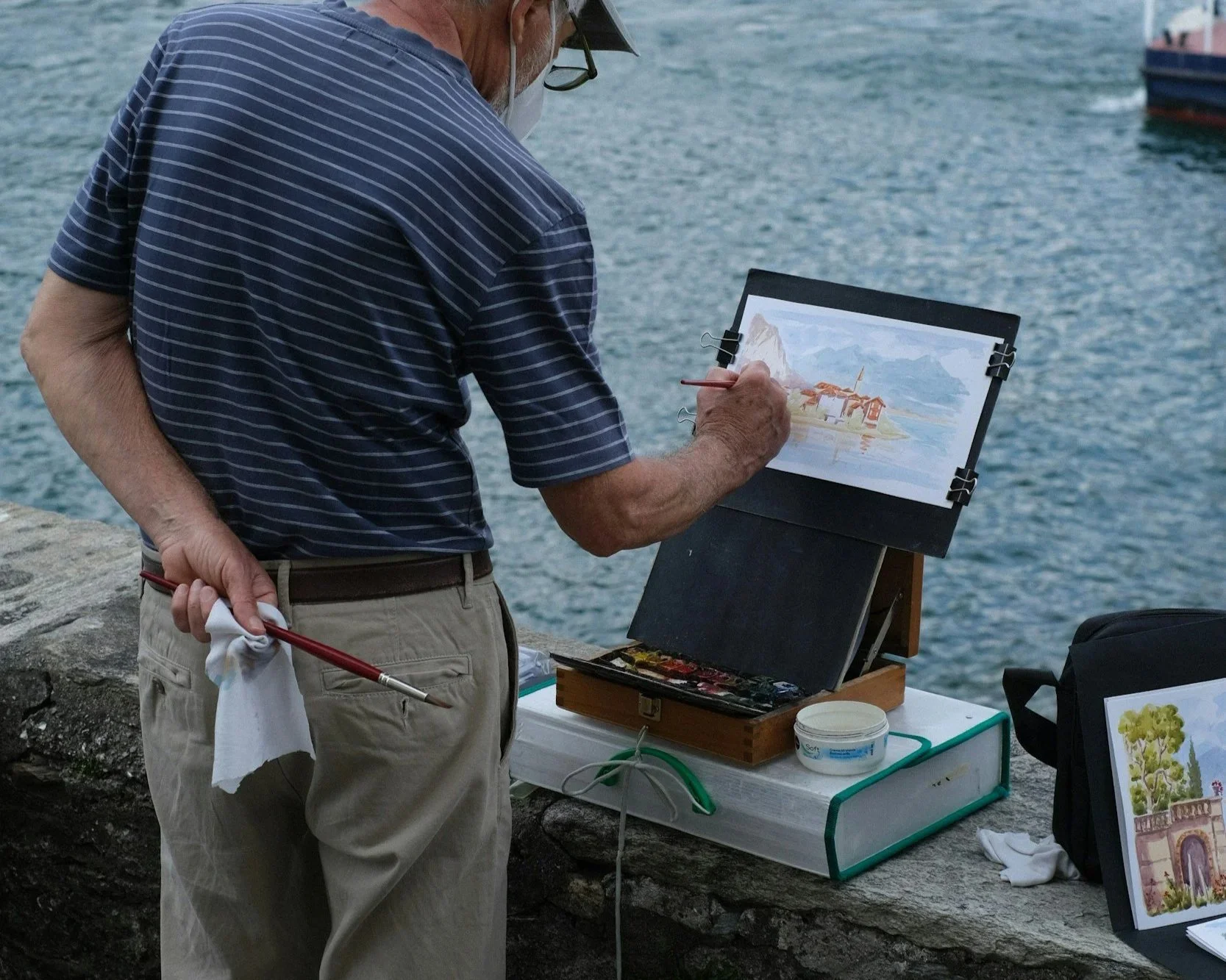
Supports: Coordination + Balance
Although many arts and crafts are associated with being still and seated, it doesn’t have to be that way. Whether you’re taking a sketchbook outside or standing at an easel, you can make artistic hobbies work for your balance too.
How to challenge your balance:
Wherever possible, choose a higher work surface that allows you to stand while working on your art. This could be an easel, or simply a countertop, rather than a low table.
Take breaks and move around, especially if standing becomes uncomfortable or you find your feet and ankles swell after standing.
If your hobby is drawing or painting, can you combine it with a walk, to practice capturing what you see outdoors.
Why These Hobbies Matter
As we age, changes in vision, inner ear function, muscle strength, and joint flexibility can all affect balance. But research consistently shows that regular activity targeting these systems can significantly reduce fall risk and improve quality of life.
The key is choosing activities you enjoy so you’ll stick with them.
A Smart Step: Measuring Your Balance
Along with staying active, it’s important to measure your balance so you can track your progress and catch changes early.
Innovative tools like Zibrio balance technology provide a simple, objective way to assess your balance and understand your personal fall risk. By tracking this important health metric, you can:
Monitor improvements over time
Identify subtle changes before they lead to falls
Stay proactive about your health
Balance is increasingly viewed as a vital sign of healthy aging, closely linked to independence and longevity.
Maintaining balance is one of the most powerful ways to stay independent and confident as you age. The good news is that improving balance doesn’t require intense workouts—just enjoyable, consistent activities that support your body’s natural systems.
Whether it’s Tai Chi, gardening, dancing, playing pickleball, or walking outdoors, each activity strengthens your balance in a different way. And when you combine these hobbies with regular balance measurement, you give yourself the best chance to stay active, safe, and independent for many years to come.